'Who Gets to Live Here?'
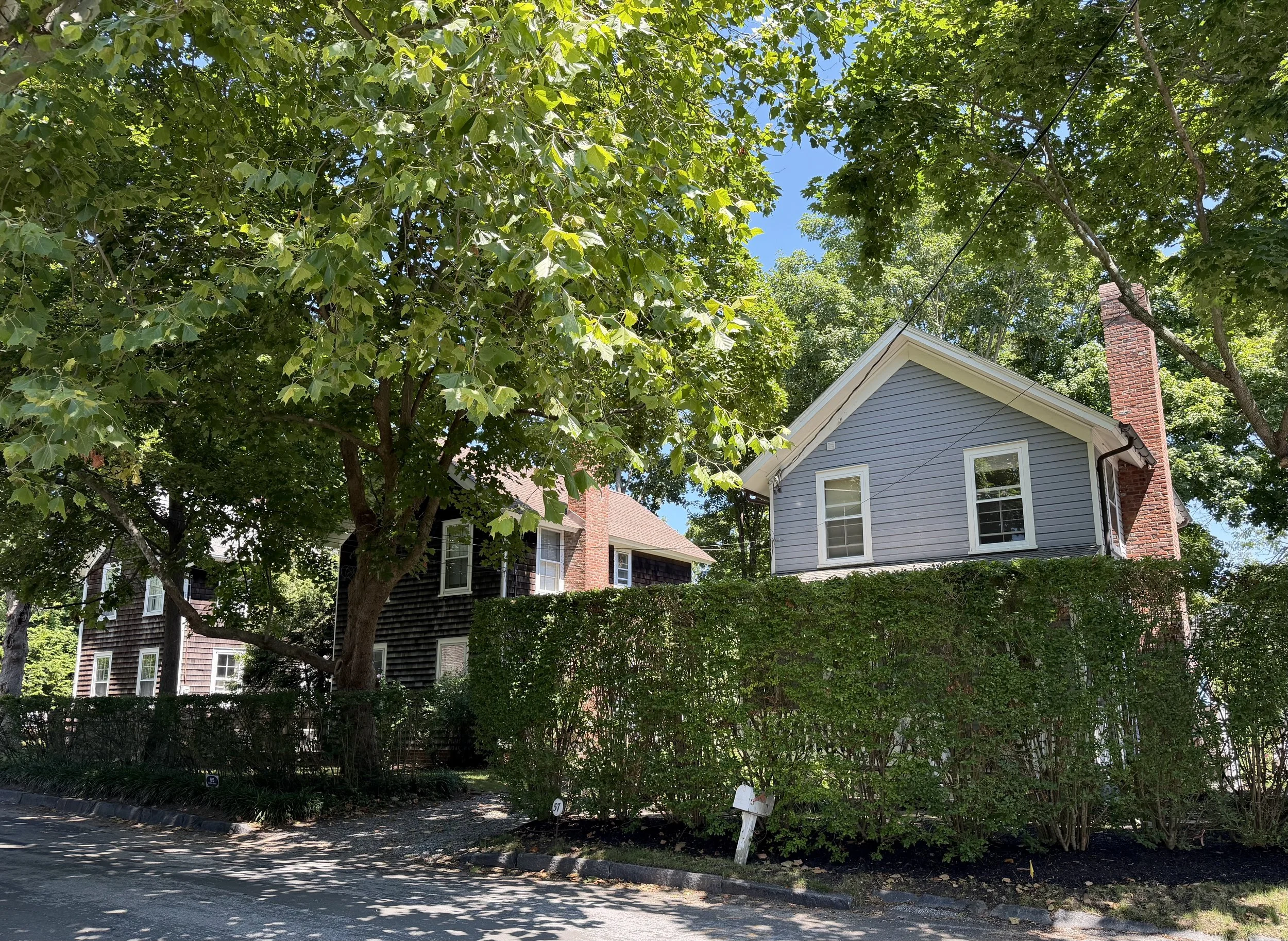
I walk past them almost every day.Small houses tucked along the streets of Sag Harbor. Nothing grand or fancy about them. Modest porches, narrow lots, rooms built for families and ordinary lives.
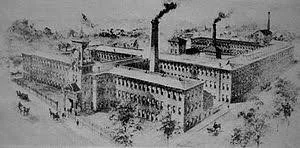
I have read that a number of these homes were built to house Sag Harbor’s early workforce. In the 1880s, when Joseph Fahys opened his watchcase factory in Sag Harbor, workers moved to our village to work there. Among them were Jewish immigrants from Eastern Europe, including skilled engravers from Hungary. They came to work, but they also came to live.
As the factory grew, small houses were built for the growing workforce on streets near the factory. Between 1885 and 1915, about 80 modest homes were built to support the immigrant and local employees of the factory.
They weren't "affordable housing" in the way we use that term today - they were simply houses for working people. And that has made me wonder. The idea of workforce housing certainly isn’t new. A community needs more than beautiful houses. It needs people. People to teach the children and care for the elderly. People to work in the shops and restaurants. People to repair the houses, tend the gardens, answer the alarms, organize the community events, play the music, stock the shelves and keep everything running long after the summer visitors have gone home.
Those Fahys workers didn't just provide labor for a factory. They became part of Sag Harbor. They raised families here. They established businesses. They formed friendships and organizations. The Jewish workers who came to Sag Harbor helped establish a Jewish community that eventually built Temple Adas Israel, which remains an important part of the fabric of our village today.
Housing didn't simply give people a roof over their heads - it gave them a place to belong. And now those little houses would probably sell for far more than a million dollars. Yesterday's workforce housing has become today's highly valued real estate.
I know that I am one of the lucky ones. In the early 1980’s when I was a young teacher, I had saved some money from years of working at my family's motel. I thought about buying a car with it. My oldest sister gave me some advice. "Don't buy the car. Build a house." So I did.
I was young a young teacher here in Sag Harbor-in the same school I had attended as well as my father and all of my aunts and uncles and sisters and brothers and cousins. At that particular moment in Sag Harbor's history, it was still possible for someone like me to imagine buying land and building a modest home. My dream was a little cabin in the woods and though it has undergone several incarnations my family and I have lived there ever since.
Sometimes I think about a young teacher arriving in Sag Harbor today.
Could she build a home? Could the young police officer? The nurse? The carpenter? The person pouring folk’s coffee in the morning or teaching our children during the day? Where would they live? Perhaps a one or two-hour commute west of here?
I don't tell this story because I think there is an easy answer. There isn't.
Nor do I think Sag Harbor can somehow return to the village it was forty years ago, much less the village it was when the Fahys factory opened. Places change. Economies change. Property changes hands. What once seemed ordinary can become extraordinarily valuable. But communities still need people. And people need somewhere to live.
Maybe that is something those Fahys houses can teach us. They remind us of a time when housing and work were understood as parts of the same community. If you wanted people to come here and work, somehow there had to be room for them to live here too.
More than a century later, we are asking that question all over again.
I will probably walk past some of those houses tomorrow. They will look much as they always have - small houses on old Sag Harbor streets. But now when I look at them, I don't just see old houses. I see workers coming home - families putting down roots - new neighbors becoming part of an old village. And I find myself wondering:
How do we make room for the people who make this place home?