
The Tipping Point: When Home Begins to Slip Away
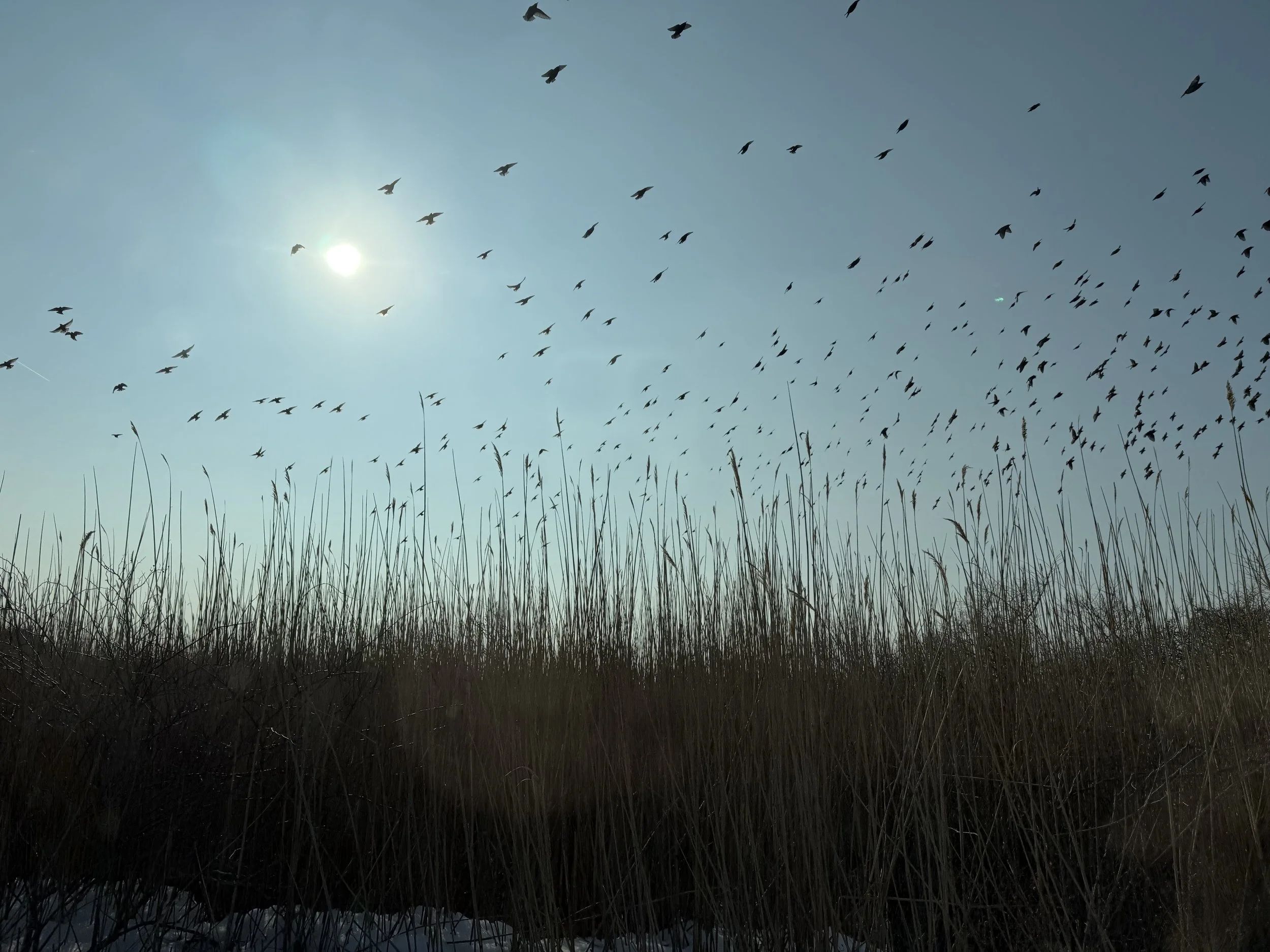
I think perhaps we have reached a tipping point - a place where demand outweighs supply, where the quality of life for residents, wildlife, and the environment is beginning to suffer. It is hard to ignore the seasonal shift on the East End, and perhaps even harder to know if there is anything that can be done about it.
Perhaps overtourism is simply the moment when a place loved by many begins to lose the very qualities that made people fall in love with it in the first place. Tourism has always been part of who we are. It supports our economy and introduces others to the beauty of this remarkable place. But there comes a point when the balance begins to tip, when the costs to the community, the land, and the wildlife outweigh the benefits.
What captured everyone's attention this week was the enormous party on Gibson Beach and what, for all intents and purposes, appeared to be a disregard for the environment, wildlife, local residents, and the law of the land. I saw the article in Page Six and the outpouring of concern on Nextdoor. For many, this wasn't simply about one party. It was about watching a place we cherish being treated as a playground rather than sacred ground, paradise, home.
It was the same beach where, on warm summer evenings some sixty-five years ago, my family might have been the only ones there, roasting marshmallows. Those simple memories remind me of how profoundly this place has changed.
On an island there is limited room for expansion or rural sprawl – no matter the direction you head in you are sure to hit water. The agricultural land conversion – taking over farmland -has allowed for the influx of upscale developments – the woodlands have taken the same hit-and the patches of trees that remain-along with all wildlife- appear to be under assault.
Each year we bemoan the state of traffic, parking, entitled drivers- and through every summer for nearly seventy years-I must say that I have never experienced the gridlock and automotive density as I have this year. It has rendered many locals to hold-up in their homes hoping for grocery delivery.
It seemed we all had to sit by and witness this conversion and be content with the semblance of home that remains-but somehow that party hit a nerve and reminded us all of this deliberate, profound loss. How can we renew the spirit and soul of home? We packed up our childhood memories – sold off our family homes and land holdings and watched our neighbors move away. We hear tales of places that are more affordable, more friendly, more ‘normal’. Some have to, some need to, some want to - abandon ship and search for higher or holier ground.
Yet I also see hope.
I see neighbors who continue to care deeply about this community. I see volunteers restoring habitats, conservationists protecting wildlife, and many people giving their time and energy to preserve the character of this extraordinary place. I have found those same pockets of hope at Old Whalers' Church, where people from many walks of life continue to gather around the simple belief that community still matters. They remind me that home is not merely a place - it is something we create together.
So I find myself wondering:
How can we remain active in our communities and help preserve what remains?
How can we retain our identity while welcoming others who have also come to love this place?
How can our voices rise above the pressures of unchecked growth and speak for the places and creatures that cannot speak for themselves?
How can we become the voice for the piping plover, the box turtle, and the monarch butterfly?
Peace is not simply the absence of conflict. Sometimes peace asks us to stand up for a beach, a marsh, a patch of woods, or the memory of children roasting marshmallows beneath a sky filled with stars. Perhaps being a peacemaker means loving a place enough to protect it.
Laughing to myself, I think the Beatitudes read-
‘Blessed are the peacemakers’ – ‘not blessed are the passive’.